How to Start Dropshipping in India: Step-by-Step Guide for Beginners (2026)
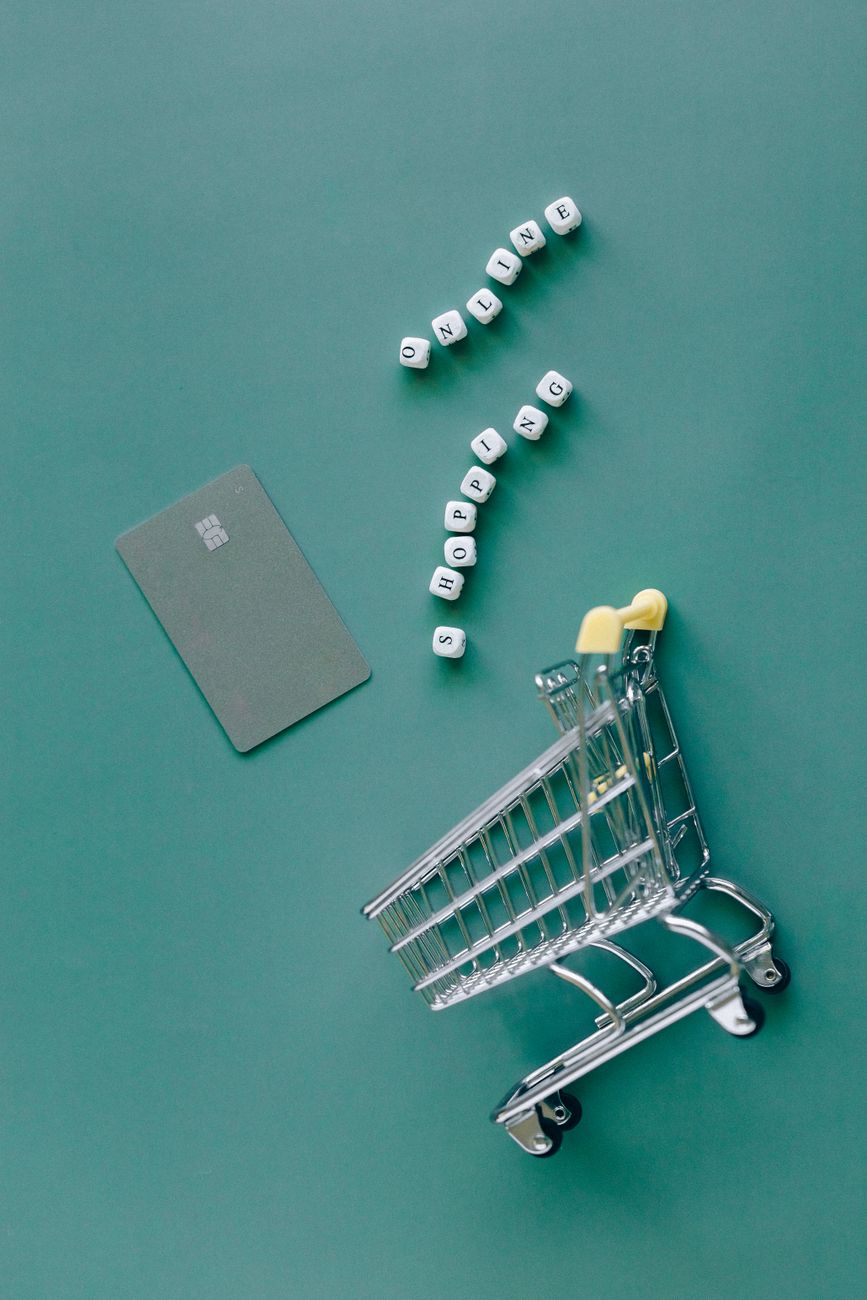
A complete beginner guide to starting a dropshipping business in India in 2026 — how it works, is it legal, costs, suppliers, GST, store setup, ads and realistic expectations.
What is dropshipping and how does it work in India?
Dropshipping is a retail model where you sell products online without holding stock. When a customer orders from your store, you forward the order to a supplier who ships it directly to the buyer. You never touch the inventory — you keep the difference between your selling price and the supplier price. In India this typically means sourcing from suppliers on platforms like Meesho, IndiaMART, GlowRoad or AliExpress and selling through your own Shopify/WooCommerce store or a marketplace.
Is dropshipping legal in India?
Yes — dropshipping is completely legal in India. You are running a legitimate retail business. To do it properly you should register your business (a sole proprietorship is enough to start), get a GST registration once you cross the threshold or if you sell across states/marketplaces, and follow standard consumer and tax rules. It is not a get-rich-quick scheme — it is a real business that rewards consistent effort.
How much money do you need to start?
You can start lean for well under ₹10,000. Typical early costs: a domain (~₹700/yr), a store platform (Shopify ~₹1,999/mo or free WooCommerce hosting ~₹300/mo), and a small ad-testing budget (₹3,000–₹8,000). The biggest early cost is not money — it is the time to learn product research and ads. Start small, reinvest profits, and avoid expensive "guru" courses promising guaranteed income.
Pick a focused, profitable niche
Narrow niches with clearly identifiable buyers convert far better than generic "everything" stores. Solve one specific problem for one specific audience (e.g. posture-correction products for desk workers, or pet-grooming tools for dog owners). Validate demand with Google Trends and by checking whether similar products already sell on Amazon/Meesho.
Find reliable Indian suppliers
Supplier quality makes or breaks a dropshipping store. Order samples yourself and personally test shipping times and product quality before listing anything. In India, faster domestic suppliers (Meesho, GlowRoad, IndiaMART) usually beat cheaper overseas ones because slow delivery leads to cancellations and bad reviews. Build a relationship with 1–2 dependable suppliers rather than juggling many.
Set up your online store
Choose Shopify (easiest, paid) or WooCommerce (cheaper, more setup) and build a clean, trustworthy store: clear product photos, honest descriptions, visible contact details, a return policy, and Indian payment options (UPI, cards, COD where possible). Trust signals matter enormously to Indian shoppers — a professional store dramatically improves conversion.
Handle GST, payments and returns
Set up a business bank account and a payment gateway (Razorpay/Cashfree/PayU) or use your platform’s built-in checkout. Understand GST on your products, factor return/RTO (return-to-origin) costs into your margins — RTO is a major hidden cost in Indian e-commerce — and set clear, fair return policies to avoid disputes.
Launch lean with paid ads, then scale
Start with a small Meta (Instagram/Facebook) or Google ad budget, test several products and creatives, and measure which actually sell profitably. Kill losers fast and double down on winners. Track your real numbers (cost per order, margin after RTO) — profitability, not vanity sales, is what matters.
Realistic expectations (read this)
Most beginners do not profit in month one — expect a learning period of 2–4 months. Dropshipping is a legitimate skill-based business, not passive income. Anyone promising "guaranteed" lakhs is selling a dream. Learn the fundamentals properly, and treat your early ad spend as tuition. Earnora’s E-commerce track walks through each step with videos, checklists and a certificate.
Frequently asked questions
Is dropshipping legal in India?+
Yes. Dropshipping is a legal retail business model in India. Register your business, obtain GST where applicable, and follow normal consumer and tax laws.
How much does it cost to start dropshipping in India?+
You can start for under ₹10,000 — a domain, a store platform (free WooCommerce or paid Shopify), and a small ad-testing budget of ₹3,000–₹8,000.
Do I need GST for dropshipping in India?+
You generally need GST registration once you cross the turnover threshold, sell across states, or sell on marketplaces that require it. Register early to avoid issues.
How long before I make a profit?+
Most beginners take 2–4 months to become profitable as they learn product research and ads. It is a real business, not guaranteed or passive income.
Which suppliers are best for dropshipping in India?+
Domestic suppliers like Meesho, GlowRoad and IndiaMART usually beat overseas ones because faster delivery reduces cancellations. Always order samples first.
Step-by-step video modules, quizzes and a certificate — one-time ₹999/year.
Related guides


